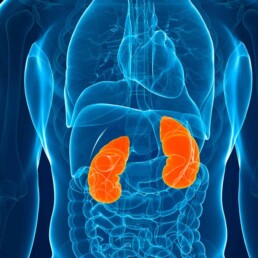
When most people think about kidney stressors, they imagine nutrition, hydration, blood pressure, or environmental chemicals. Very few think about sound. Yet a growing body of research suggests that chronic noise exposure from traffic, aircraft, construction, industrial machinery, and even loud indoor environments may influence kidney function over time. Noise is more than an ear problem. It is a biological stressor that activates hormonal, vascular, and inflammatory pathways that directly affect kidney health. Although this is still an emerging field, the evidence is compelling enough that noise deserves a place in integrative kidney care. This blog will discuss the current evidence linking noise pollution and kidney disease.

By Majd Isreb, MD, FACP, FASN, IFMC
Noise Pollution and Kidney Disease
How Noise Becomes a Physiologic Stressor
Noise is perceived through the auditory system, but its effects extend throughout the entire body. Chronic or unwanted noise activates the sympathetic nervous system and the hypothalamic pituitary adrenal axis, which are the two dominant stress response systems in the body. This leads to release of adrenaline and cortisol.
Physiologically, this causes
-
Increased heart rate
-
Elevated blood pressure
-
Increased vascular tone
-
Oxidative stress
-
Elevations in inflammatory mediators
These are the same biological pathways that contribute to hypertension and cardiovascular disease. Since the kidneys rely on stable blood flow and pressure regulation, the same stress response can influence renal function as well.

The Noise to Kidney Pathway: A Stepwise Breakdown
Noise exposure → Sympathetic activation and cortisol release
Chronic noise creates a persistent stress signal that keeps the sympathetic system activated even during sleep or rest. This increases circulating stress hormones, raises blood pressure, and sets the stage for vascular strain.
Sympathetic activation → Elevated blood pressure
Repeated noise-related stress contributes to persistent increases in both systolic and diastolic blood pressure. Even nighttime noise can blunt normal nocturnal dipping patterns. Hypertension is one of the strongest predictors of chronic kidney disease progression.
Hypertension and vascular strain → Altered renal blood flow
Kidneys require precise regulation of blood flow to filter waste effectively. Noise-related stress increases renal vascular resistance and reduces renal plasma flow. These changes place pressure on glomeruli and increase vulnerability to injury.
Chronic vascular stress → Decline in kidney function
Over months and years, persistent sympathetic activation, higher blood pressure, and reduced renal perfusion can contribute to a measurable decline in estimated GFR in population studies, especially among individuals with long-term occupational or traffic-related noise exposure.

Human Studies on Noise Pollution and Kidney Disease
While more research is needed, several studies already point to measurable effects of noise on kidney health.
Occupational noise and kidney biomarkers
Studies found that workers exposed to industrial noise have been found to have:
-
Higher creatinine
-
Elevated cystatin C
-
Higher prevalence of chronic kidney disease compared with workers in quieter environments.
Community noise and kidney disease risk
A Korean population study reported that long-term noise exposure was associated with lower eGFR and higher prevalence of chronic kidney disease, with a stronger association in women who had many years of noise exposure.
Another analysis found that people living near major roads had slightly lower kidney function compared with those in quieter areas. Although confounding factors like air pollution also play a role, the physiologic pathway supports a noise-related effect.
Noise and diabetic kidney disease
Among individuals with diabetes, occupational noise exposure has been linked with higher albuminuria and worse metabolic control, suggesting noise may exacerbate kidney vulnerability in high-risk groups.

Why Noise Often Goes Unrecognized as a Kidney Stressor
Noise often goes unrecognized as a kidney stressor. In fact, research linking noise pollution and kidney disease is very recent. There are several reasons for this. Most importantly is the fact that noise pollution almost always clusters with other environmental burdens, including:
-
Air pollution
-
Disrupted sleep
-
Psychosocial stress
-
Urban crowding
Each of these contributes to inflammation, oxidative stress, and vascular dysfunction. Noise acts as part of this broader burden, which explains why it may accelerate existing kidney stress even when it is not the sole cause.

Practical Steps to Reduce Noise Exposure
These strategies can help reduce sympathetic activation and vascular stress. They are simple, low-cost, and useful for anyone hoping to support long-term kidney health.
-
Use a white-noise machine to smooth out environmental sounds during sleep.
-
Add rugs, curtains, or acoustic panels to soften indoor noise.
-
Use noise reduction settings on home appliances.
-
Wear ear protection in loud workplaces or during hobbies that involve high decibel levels.
-
Advocate for quiet zones, residential noise controls, or community noise ordinances.
-
Consider the quieter side of a building for bedrooms when possible.
-
Limit cumulative noise load throughout the day with mindful breaks in quiet spaces.
Small reductions in sound exposure can reduce blood pressure, improve sleep, and lower sympathetic overactivation. For patients with hypertension or kidney disease, this can be especially meaningful.

The Bottom Line on Noise Pollution and Kidney Disease
Noise is not just an irritation. It is a biologically active environmental stressor with measurable effects on blood pressure, vascular function, and kidney health. While research is still evolving, the current evidence is strong enough to include noise in the integrative assessment of lifestyle and environmental factors that influence kidney disease risk and progression.
Patients deserve to understand that their sound environment is part of their kidney health environment. With awareness and simple strategies, noise exposure can become a modifiable piece of the kidney health puzzle.