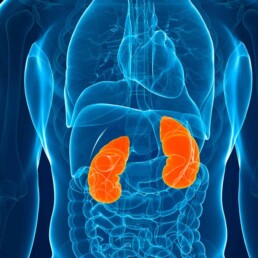
Nicotine pouches are increasingly marketed as a “smoke-free” and “tobacco-free” alternative to cigarettes and vaping. Their growing popularity has raised important clinical questions, particularly regarding nicotine pouches and kidney health. While these products eliminate combustion and many toxic byproducts of smoking, they still deliver pharmacologically active nicotine, a compound with well-documented metabolic and vascular effects.

By Majd Isreb, MD, FACP, FASN, IFMC
Nicotine Pouches and Kidney Health in a Changing Tobacco Landscape
Nicotine pouches are widely promoted as a smoke-free, tobacco-free alternative to cigarettes and vaping. However, their rising use has raised important questions about nicotine pouches and kidney health. While they avoid combustion-related toxins, they still deliver active nicotine with known effects on metabolism and vascular function.
For individuals with chronic kidney disease (CKD), diabetes, hypertension, or elevated cardiovascular risk, understanding how nicotine influences insulin resistance, blood pressure regulation, renal hemodynamics, and direct kidney injury pathways is essential. This article explores what current evidence suggests about nicotine exposure and its potential implications for kidney health.

Nicotine Pouches and Insulin Resistance: Metabolic Stress with Renal Consequences
Nicotine is a biologically active alkaloid that influences glucose metabolism through multiple mechanisms. Experimental and human studies demonstrate that nicotine can impair insulin sensitivity by increasing sympathetic nervous system activity, elevating circulating catecholamines, and promoting cortisol release. These hormonal changes reduce peripheral glucose uptake and increase hepatic gluconeogenesis.
Insulin resistance is not only a precursor to type 2 diabetes but also an independent risk factor for kidney disease progression. Hyperinsulinemia and impaired glucose handling contribute to glomerular hyperfiltration, endothelial dysfunction, and inflammatory signaling within the kidney. In patients with early CKD or metabolic syndrome, regular nicotine exposure through pouches may therefore amplify metabolic stress that accelerates renal injury.
Importantly, nicotine pouches can deliver sustained or repeated nicotine doses throughout the day, potentially maintaining chronic sympathetic activation rather than the intermittent exposure seen with traditional smoking patterns.

Nicotine Pouches, Blood Pressure, and Renal Hemodynamics
One of the most consistent physiological effects of nicotine is its impact on vascular tone. Nicotine stimulates nicotinic acetylcholine receptors in the autonomic nervous system, leading to increased heart rate, vasoconstriction, and elevations in both systolic and diastolic blood pressure.
From a kidney perspective, these effects are highly relevant. The kidneys rely on tightly regulated blood flow to maintain glomerular filtration. Nicotine-induced vasoconstriction can increase renal vascular resistance, reduce renal plasma flow, and disrupt autoregulation within the glomerulus. Over time, repeated hemodynamic stress may contribute to glomerulosclerosis and declining estimated GFR, particularly in individuals with pre-existing hypertension or diabetic kidney disease.
In addition, nicotine has been shown to activate the renin–angiotensin–aldosterone system, further promoting sodium retention, vascular remodeling, and intraglomerular hypertension. These mechanisms suggest that nicotine pouches may not be benign for patients struggling with blood pressure control or progressive CKD.

Are There Direct Effects of Nicotine on the Kidney?
Beyond systemic metabolic and vascular effects, emerging evidence suggests that nicotine may exert direct cellular effects within the kidney itself. Animal and cell culture studies indicate that nicotine exposure can increase oxidative stress, promote inflammatory cytokine production, and activate profibrotic pathways in renal tissue.
Nicotine has also been shown to stimulate mesangial cell proliferation and extracellular matrix deposition, processes that are central to the development of glomerular scarring. In the tubular compartment, nicotine may impair mitochondrial function and increase susceptibility to ischemic and toxic injury.
While human data specifically isolating nicotine pouches are limited, these mechanistic findings raise concern that chronic nicotine exposure may contribute to kidney injury independent of smoking-related toxins.

What Patients Ask: FAQs About Nicotine Pouches and Kidney Health
Q: Are nicotine pouches safer for my kidneys than smoking cigarettes?
A: Nicotine pouches do remove the harmful byproducts of combustion, which is a positive step. However, the nicotine itself can still affect blood pressure, vascular health, and metabolic factors that influence kidney function. So while it may be less harmful than smoking, it’s not entirely risk-free for your kidneys.
Q: Can using nicotine pouches raise my blood pressure even if I quit smoking?
A: Yes, nicotine is known to stimulate your sympathetic nervous system, which can raise blood pressure. Even without the smoke, the nicotine in pouches can still cause temporary increases in blood pressure and heart rate, which may impact your kidney health over time.
Q: If I have diabetes or prediabetes, will nicotine pouches make my kidney risk worse?
A: Nicotine can contribute to insulin resistance, which is a known risk factor for kidney disease progression in people with diabetes or metabolic syndrome. It’s best to monitor your blood sugar and discuss with your healthcare provider how to minimize nicotine use.
Q: How should I approach quitting nicotine pouches if I’m concerned about my kidneys?
A: It’s a great idea to plan a gradual tapering schedule and seek support from a healthcare professional. They can help you with behavioral strategies and possibly other cessation aids. The goal is to reduce total nicotine exposure over time to protect your kidney health.

Nicotine Pouches and Kidney Health: The Bottom Line
When evaluating nicotine pouches and kidney health, it is important to distinguish harm reduction from harmlessness. Nicotine pouches may reduce exposure to combustion-related toxins compared to cigarettes, but they are not metabolically or renally neutral.
For patients with CKD, hypertension, diabetes, or high cardiovascular risk, nicotine pouches may:
-
Worsen insulin resistance and metabolic control
-
Elevate blood pressure and disrupt renal blood flow
-
Activate inflammatory and fibrotic pathways in kidney tissue
From an integrative nephrology perspective, nicotine cessation or minimization remains a key lifestyle target for protecting long-term kidney function. Patients using nicotine pouches as a transition away from smoking should be counseled on duration of use, dosing frequency, and strategies for eventual nicotine independence.