As we delve deep into countless medical journals to uncover the latest on Integrative Medicine’s approach to kidney health, we are always reminded of the value of your time. Our commitment remains steadfast in curating and succinctly summarizing these vital studies for you. Welcome to the January Research and News.

Systemic Inflammatory Profiles and Long-Term Outcomes in CKD
This large prospective study of patients with stage 3 CKD found that certain inflammatory cytokines in the blood and urine strongly predict long-term kidney failure, cardiovascular events, and mortality.
Among 165 participants followed for up to 10 years, higher levels of key cytokines—especially TNF-α, GDF-15, and IL-22—were linked to faster worsening of albuminuria and a higher likelihood of progressing to kidney replacement therapy or death.
Using these cytokines, researchers identified six distinct inflammatory “profiles.” Patients with the highest inflammatory burden had the worst kidney and cardiovascular outcomes, while those with consistently low cytokine levels had the slowest CKD progression and best survival.
Over time, many patients shifted toward more severe inflammatory profiles, suggesting inflammation intensifies as CKD advances.
Why is this important?
This study shows that CKD progression is not uniform; patients fall into distinct inflammatory subtypes that carry very different risks. These findings support inflammation as a major driver of kidney decline and suggest that measuring specific cytokines could help identify high-risk patients earlier and guide more personalized, targeted interventions.

Association of Metal and Metalloid Exposure with Cardiovascular–Kidney–Metabolic Syndrome
Using nationally representative NHANES data from 1999–2018, this cross-sectional study examined whether exposure to common environmental metals and metalloids is associated with cardiovascular–kidney–metabolic (CKM) syndrome.
Among 6,650 adults, higher urinary levels of several metals—including barium, antimony, thallium, tungsten, and cobalt—were consistently linked to higher odds of CKM syndrome and more advanced disease stages.
Mixture analyses showed that combined metal exposures had stronger associations than individual metals alone, with different metals contributing more prominently at early versus advanced CKM stages.
Mediation analyses suggested that systemic inflammation, oxidative stress, and accelerated biological aging partially explained these relationships. Associations varied by sex, age, and race, and sensitivity analyses highlighted inorganic arsenic as a particularly strong contributor when included.
Why is this important?
This study connects everyday environmental metal exposures to a unified cardio–renal–metabolic disease framework, reinforcing the concept that CKM syndrome is influenced not only by lifestyle and genetics but also by environmental toxicants.
The findings suggest that inflammation, oxidative stress, and aging pathways may biologically link metal exposure to kidney, cardiovascular, and metabolic disease, highlighting environmental risk reduction as a potential strategy to prevent or slow CKM progression.

Can Lemon Water Act Like a Natural Urate-Lowering Therapy?
This small retrospective cohort study evaluated whether daily consumption of lemon water affects serum urate levels, kidney function, and urine pH in patients with gout or hyperuricemia.
Ninety adults who drank the juice of two fresh lemons diluted in 2 liters of water daily were followed for six weeks. Compared with controls, both gout patients and individuals with asymptomatic hyperuricemia experienced significant reductions in serum urate levels.
Gout patients also showed a modest but statistically significant improvement in estimated glomerular filtration rate. These changes occurred without alterations in urate-lowering medications, suggesting a potential independent metabolic or renal effect of lemon water consumption.
Why is this important?
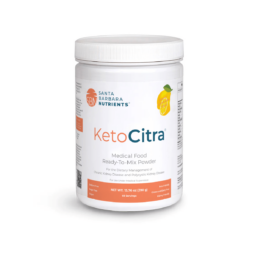
Lemon juice is rich in citrate, an organic anion known to alkalinize urine, enhance renal urate excretion, and improve tubular handling of acids. While this study did not directly measure urinary citrate, the observed urate-lowering and kidney function improvement are biologically consistent with citrate’s known effects.
These findings support the concept that simple dietary citrate sources may complement pharmacologic therapy in gout and hyperuricemia, potentially improving urate handling and kidney health. Although preliminary and observational, this study adds to growing interest in citrate-based nutritional strategies as low-risk adjuncts in metabolic and kidney disease management.
Join us to end the kidney disease epidemic

Can Lifestyle Medicine Reverse Kidney Risk in Diabetes?
This report summarizes findings presented at a lifestyle medicine conference showing that a comprehensive lifestyle intervention was associated with meaningful improvements in kidney and metabolic markers among adults with type 2 diabetes at risk for chronic kidney disease.
In a cohort of 1,131 adults followed for one year, a structured program combining a predominantly plant-based renal diet, intermittent fasting, physical activity, psychological support, and close medical monitoring led to significant reductions in BMI, HbA1c, and urine albumin-to-creatinine ratio, with preservation of eGFR.
Notably, a substantial proportion of participants shifted from moderate or high CKD risk to low risk, with the greatest benefits observed in patients who were not taking glucose-lowering or renoprotective medications at baseline.
Why is this important?
These findings challenge the prevailing notion that diabetic kidney disease inevitably progresses despite optimal medical therapy. They suggest that intensive, multidisciplinary lifestyle interventions can meaningfully modify early kidney risk, particularly when implemented before extensive pharmacologic treatment.
For nephrology and diabetes care, this reinforces the concept that lifestyle medicine is not merely supportive care but a potentially disease-modifying strategy that deserves consideration alongside medications, especially in early-stage CKD and treatment-naive patients.

A Common Laxative Protects the Kidneys by Reprogramming the Gut Microbiome
This experimental study demonstrates that lactulose, a widely used disaccharide prebiotic, improves kidney injury in a mouse model of chronic kidney disease by reshaping the gut microbiome and strengthening the intestinal barrier.
In adenine-induced CKD mice, lactulose treatment reduced renal damage, improved intestinal permeability, and corrected gut dysbiosis.
These effects were closely linked to a marked increase in Akkermansia muciniphila, a next-generation probiotic known for its role in maintaining mucosal integrity. Both lactulose-induced Akkermansia expansion and direct administration of Akkermansia, including pasteurized forms, led to similar improvements in kidney function and gut barrier health, supporting a causal role for this microbe in mediating renoprotection.
Why is this important?
This study provides strong mechanistic evidence that targeting the gut–kidney axis can directly influence CKD progression. It shows that lactulose acts not merely as a laxative, but as a functional prebiotic that promotes Akkermansia muciniphila, improves intestinal barrier integrity, and reduces renal injury.
These findings reinforce the concept that gut dysbiosis and increased intestinal permeability are modifiable drivers of kidney disease and suggest that microbiome-directed therapies, including safe and inexpensive agents like lactulose, may offer a novel, nonpharmacologic strategy to slow CKD progression.

Review article of the month
The 2025 US Renal Data System (USRDS) Annual Data Report
The 2025 US Renal Data System (USRDS) Annual Data Report was just published. It shows that chronic kidney disease (CKD) remains a major and growing public health problem in the United States. Approximately one in seven U.S. adults has CKD, yet awareness remains low, particularly in early stages.
CKD prevalence continues to rise with age and is strongly associated with diabetes, hypertension, obesity, and cardiovascular disease, with disproportionately higher burden among older adults, men, and racial and ethnic minority populations.
Although rates of CKD progression and kidney failure vary, albuminuria and reduced eGFR remain powerful predictors of adverse outcomes, including cardiovascular events and mortality.
Encouragingly, the report notes that recent years have seen increased use of renoprotective therapies such as ACE inhibitors, ARBs, and SGLT2 inhibitors, but significant gaps persist in early detection, risk factor control, and equitable access to care.
Overall, the report highlights that preventing CKD onset, slowing progression through early intervention, and addressing social and racial disparities remain critical priorities for reducing the long-term burden of kidney disease in the U.S.

Join here to receive FREE monthly updates on the latest research in Integrative Nephrology and tips on managing kidney disease straight to your inbox.
We would love to hear your feedback. Let us know what you think of these educational materials and if you would like us to focus on specific topics. Please email us at info@inkidney.com.